
Build an approval‑ready credit profile
Understand what’s driving your credit decisions, identify items that may be unfair or inaccurate, and take a structured next step toward stronger approvals and better terms.
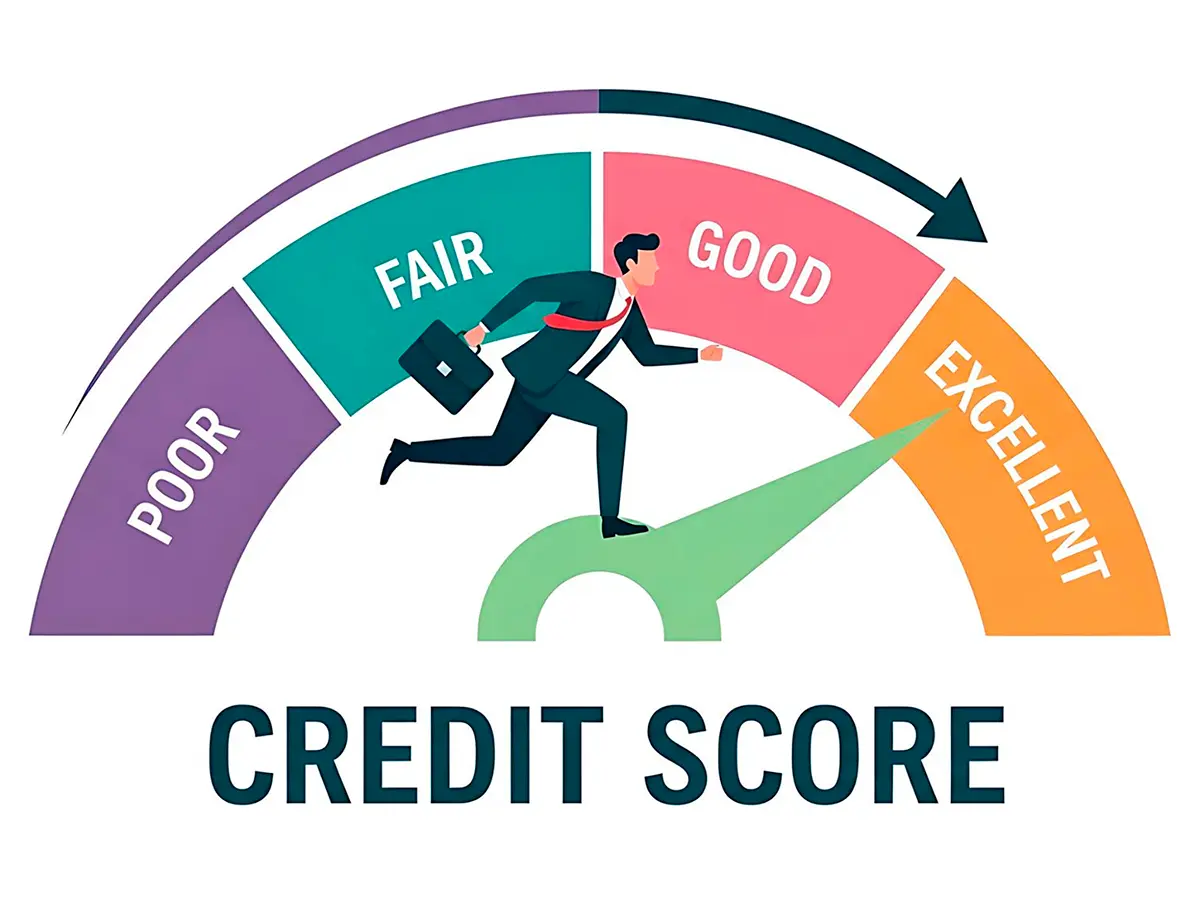
Built around established U.S. credit reporting practices and dispute procedures under the Fair Credit Reporting Act (FCRA). No unrealistic promises—just clarity, documentation, and structured credit improvement.
Unlock more options
Choose the outcome you care about. We’ll outline what improves it—and what to watch for—so you can move forward with confidence.
Your path to stronger credit
A stronger credit profile can mean better approval odds, improved loan terms, and more financial flexibility. Get a clear, no-fluff overview of what credit improvement can help you achieve — then take the next step when you're ready.
Credit decisions in the U.S. are typically influenced by payment history, utilization ratios, account age, recent inquiries, and the accuracy of reporting across major credit bureaus.
Even small inconsistencies can affect lending algorithms. A structured credit improvement approach focuses on verified data, responsible usage patterns, and consistent financial behavior.
*Results vary. This page does not guarantee outcomes.
How it works
A straightforward workflow used by reputable credit‑support programs: review, challenge what’s questionable, and build stronger habits while updates are processed.

Review your starting point
Clarify your goal and look at what’s currently affecting approvals and terms.

Identify what can be challenged
See what information is typically needed, what to expect next, and how the workflow usually looks.

Move forward
Continue to explore available options and take the next step toward better credit outcomes.
credit cleaning service with clarity, accuracy, and measured progress
You deserve straighter answers about your credit, not vague promises. A reliable credit cleaning service focuses on awareness first: what's on your reports, why it's there, and what can be verified. Progress often happens in steps - sometimes quickly, sometimes more gradually - because each bureau, furnisher, and account behaves a little differently. The goal is simple, though not necessarily easy: remove what's wrong, correct what's incomplete, and help you present the most accurate version of your history.
What "cleaning" really means
Cleaning doesn't mean erasing accurate negatives; it means challenging items that are erroneous, duplicate, outdated, or not provably yours. It also means tightening documentation so updates are hard to ignore. You'll weigh the time you can invest against the structure a specialist brings. Either way, the center of gravity is proof: dates that line up, balances that reconcile, and names and addresses that actually match you.
- Pull fresh reports from all three bureaus and create a line-by-line issue log.
- Verify identities, dates opened, balances, and payment histories against your own records.
- Dispute unverifiable or inaccurate data with targeted, documented letters - no boilerplate if it can be helped.
- Request corrections, not just deletions: limit increases reported, status updates, or removal of duplicate entries.
- Pursue goodwill or courtesy updates where appropriate, acknowledging that success varies.
Tradeoffs: DIY, pro, or hybrid
Doing it yourself costs less and builds your literacy, though it can be slow without a process. A professional adds organization, templates tailored to your facts, and disciplined follow-up - at a price. A hybrid (you gather evidence; they structure disputes) often balances control with efficiency. Consider your calendar, comfort with paperwork, and tolerance for back-and-forth.
- Cost vs. time: Fees can save hours, but only if follow-through is consistent.
- Knowledge curve: DIY teaches you patterns; a service already knows them - usually.
- Consistency: Scheduled cycles prevent drift; missed deadlines stall results.
- Documentation: Whoever manages it should maintain a clean audit trail.
A quiet real-world moment
Last spring, after a move, you spot two medical collections with nearly identical amounts. A credit cleaning service flags mismatched account numbers and a payer name your records don't show. They assemble your EOBs, mail certified disputes, and log bureau timelines. Thirty-five days later one item is deleted and the other corrected to "paid by insurer." Your score nudges upward - not dramatic, but real - and future lenders see fewer question marks.
How to judge reliability
Trust is earned through transparency and repeatable process, not big claims. You want clear scopes, quiet confidence, and receipts - literally.
- No guarantees of specific score jumps; promises are about process and documentation.
- Itemized scope and timelines, including expected bureau response windows.
- Evidence handling: secure storage, redaction where sensible, and release of copies to you.
- Plain-language updates that explain outcomes and next steps without spin.
Reasonable expectations
Bureaus typically respond within 30 - 45 days per cycle. Some items resolve in one pass; others need additional rounds if new facts emerge. Accurate negatives usually remain until they age off, though their impact can soften as positive history grows. Pair cleanup with steady habits - on-time payments, low utilization, and patience - and you convert short bursts of progress into durable reliability. Move at your pace: explore DIY, hire help, or blend both. Awareness guides you; reliability gets you there.
Discover the pioneering Credit Repair Software empowering mortgage brokers & entrepreneurs. Transform credit repair businesses. FREE trial available!
Top 10 Best Credit Repair Service in Los Angeles, CA - February 2025 - Yelp - Fix Your Credit Consulting, Imax Credit Repair Firm, Financial Counseling ...
Credit counseling, debt relief, debt consolidation, and credit repair are all different services. BBB recommends thorough research before deciding which is the ...
Frequently asked questions
A clear next step — without the guesswork
See what’s impacting approvals and what may deserve a closer look.
Understand how disputes are structured and what documentation matters.
Improve utilization, consistency, and long-term credit stability.
See what improving your credit could change
Take a structured next step based on your current profile — and decide with clarity.